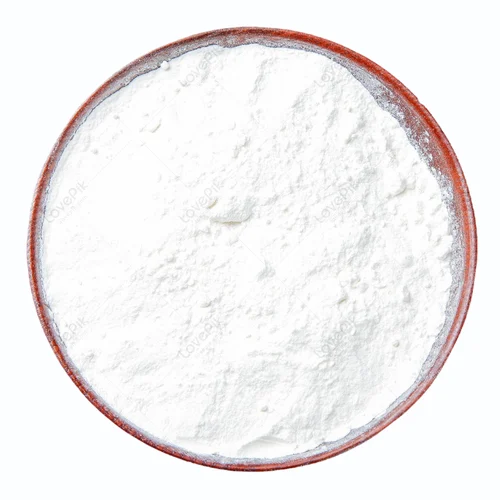

Industries that use starch-based ingredients often need more than ordinary native starch. Processing conditions such as heat, shear, acidity, moisture, storage, and mixing can affect how starch performs in a finished formulation. This is where Modified Starch in Djibouti becomes relevant for manufacturers looking for improved process consistency and application-specific functionality. Modified starch can be tailored to provide characteristics such as better viscosity control, improved stability, binding, thickening, film formation, or resistance to demanding processing conditions.
For buyers, selecting the right grade involves more than comparing prices. The intended application, processing method, required functional properties, dosage, packaging, documentation, and supply consistency should all be considered. SAPL supports industrial buyers seeking dependable starch solutions, including Shalbond, with a focus on application requirements rather than one-size-fits-all supply.
Modified starch is starch that has been physically, chemically, or enzymatically treated to alter selected functional properties. The purpose is not simply to change the starch itself, but to make its performance more suitable for a particular manufacturing process or end product.
Depending on the modification and application, starch may be selected for viscosity development, improved stability during processing, binding, water management, texture control, or film-forming behavior. This makes Top Modified Starch in Djibouti a practical search category for food, industrial, paper, textile, adhesive, and other processing applications.
A suitable grade should always be selected according to the formulation and process conditions. Using a starch without considering pH, temperature, shear, moisture, and processing sequence can lead to inconsistent results.
When sourcing Modified Starch in Djibouti, buyers should first define the performance requirement rather than selecting a product based only on its name.
Important considerations include:
SAPL can help buyers assess these factors before choosing a suitable starch solution, helping avoid the common mistake of selecting a grade solely because it is widely used in another application.
The demand for Best Modified Starch in Djibouti can come from several industrial sectors because starch functionality is useful across different manufacturing processes.
In food-related processing, modified starch may be used where controlled thickening, texture, stability, or water management is required. In paper and board manufacturing, starch-based materials can contribute to surface treatment, bonding, or process requirements depending on the formulation.
Textile processing may use starch-based solutions for specific finishing or sizing requirements, while adhesive manufacturers can select modified starch for bonding and formulation characteristics. Industrial formulations may also use modified starch where binding, viscosity control, or film-forming properties are required.
The correct product therefore depends on the application—not simply on whether the material is labeled as modified starch.
When evaluating a Modified Starch Supplier in Djibouti, procurement teams should look beyond the quoted unit price. Product consistency, technical information, packaging, documentation, communication, and shipment planning can have a direct effect on purchasing reliability.
A Modified Starch Manufacturer in Djibouti may be evaluated according to manufacturing controls, product specifications, application suitability, and quality documentation. Similarly, an experienced Modified Starch Exporter in Djibouti should be able to coordinate commercial requirements and international supply considerations.
For international buyers, SAPL provides a professional sourcing point for starch-based industrial requirements. The company can discuss application needs and product suitability so that buyers can make decisions based on functional requirements rather than generic product descriptions.
Businesses planning to Buy Modified Starch in Djibouti should prepare a clear purchase specification before requesting quotations. This can include application, required grade, estimated quantity, packaging preference, technical parameters, delivery requirements, and documentation.
The Modified Starch Price in Djibouti can vary depending on product grade, specification, order quantity, packaging, source, logistics, and other commercial factors. For this reason, a single standard price cannot represent every application.
Buyers looking for Modified Starch for Sale in Djibouti should also confirm whether the offered material matches their intended process. A lower-cost grade may not provide the required functionality, while an unnecessarily specialized grade can increase procurement costs without adding value.
For industrial users, Industrial Modified Starch in Djibouti should therefore be evaluated through a total-value approach that considers performance, consistency, processing efficiency, supply reliability, and application suitability.
SAPL approaches starch sourcing with the understanding that industrial buyers often need application-specific guidance rather than a generic catalogue product. The inclusion of Shalbond gives buyers an additional starch solution to consider when evaluating functional and processing requirements.
A practical purchasing discussion should cover the intended use, formulation conditions, required functionality, order volume, packaging, and delivery expectations. This approach helps establish whether the proposed product is technically appropriate before commercial decisions are finalized.
For businesses comparing a Modified Starch Supplier, Modified Starch Manufacturer, or Modified Starch Exporter, these factors provide a more useful basis for evaluation than price alone.
Modified starch is used to provide specific functional properties such as thickening, binding, viscosity control, stability, water management, or film formation, depending on the grade and application.
Start with the application and identify processing temperature, pH, shear, moisture conditions, desired viscosity, and the required finished-product characteristics. The appropriate grade should then be selected against these requirements.
Yes, different modified starch grades can be used in applications across food processing, paper, textiles, adhesives, and other industrial formulations. Suitability depends on the specific grade and process.
Grade, specification, order quantity, packaging, sourcing, logistics, and commercial terms can all influence the final price.
SAPL can discuss Shalbond requirements based on the intended application and help buyers identify the information needed to evaluate product suitability.
Confirm the product specification, application suitability, technical documentation, packaging, quantity, delivery terms, and any quality or regulatory documentation required for your operation.
Two starch products can have different functional behavior even when they are used for similar purposes. Selecting according to the actual process helps reduce compatibility and performance issues.
Tags : Modified Starch in Djibouti, Top Modified Starch in Djibouti, Best Modified Starch in Djibouti, Modified Starch Supplier in Djibouti, Modified Starch Manufacturer in Djibouti, Modified Starch Exporter in Djibouti, Modified Starch Supplier, Modified Starch Manufacturer, Modified Starch Exporter, Buy Modified Starch in Djibouti, Modified Starch Price in Djibouti, Modified Starch for Sale in Djibouti, Industrial Modified Starch in Djibouti, Modified Starch in Djibouti City, Modified Starch in Ali Sabieh, Modified Starch in Tadjoura, Modified Starch in Dikhil, Modified Starch in Obock, Modified Starch in Arta, Modified Starch in Holhol.
© 2026 SAPL. All Rights Reserved.

+91-76229 25258
sales@starkestarch.com