Industries in Uganda increasingly require starches that deliver consistent viscosity, improved stability, better processing performance, and predictable results in finished products. Modified Starch in Uganda is used across food processing, paper manufacturing, textiles, adhesives, pharmaceuticals, and other industrial applications where conventional starch may not provide the required functional characteristics. For buyers, choosing the right grade involves more than comparing price—it requires understanding application requirements, processing conditions, moisture control, and product consistency.
SAPL supports industrial buyers looking for dependable starch solutions by focusing on application requirements and practical material selection. Products such as Shalbond can be considered where modified starch functionality is required for specific industrial formulations, subject to the application and grade requirements.
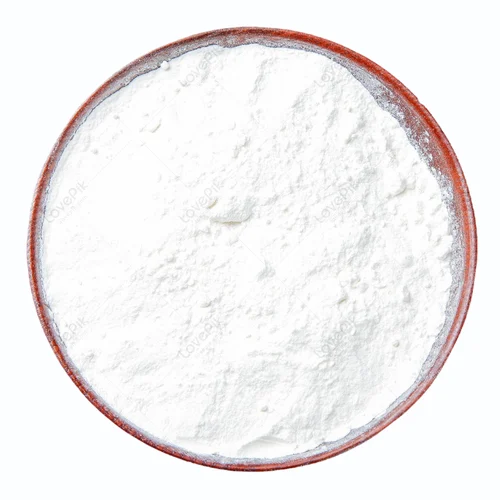
Modified starch is starch that has been physically, chemically, or enzymatically treated to alter one or more functional properties of native starch. Modification can improve characteristics such as viscosity control, thermal stability, shear resistance, water retention, texture, film formation, or processing behavior.
For manufacturers, this makes modified starch useful when ordinary starch does not perform consistently under demanding production conditions. Depending on the selected grade, it can contribute to improved formulation stability and processing efficiency.
The Top Modified Starch in Uganda is therefore not necessarily one universal product. The appropriate grade depends on the end application, processing temperature, required viscosity, mixing conditions, and desired finished-product characteristics.
When selecting Best Modified Starch in Uganda, purchasing teams should first define the technical requirements of the process rather than selecting solely on price. Important considerations include:
A technically suitable grade helps reduce formulation adjustments and provides more predictable production results.
The demand for Industrial Modified Starch in Uganda comes from multiple manufacturing segments. In food processing, modified starch may be used for thickening, stabilization, texture management, and formulation consistency. The exact grade should always be selected according to the intended food application and applicable requirements.
In paper and board manufacturing, starch can support surface treatment, coating, sizing, and bonding functions. Textile processors may use starch-based materials for improving yarn handling and surface characteristics. Modified starch is also relevant to adhesive formulations where binding and viscosity control are important.
Other potential applications include pharmaceuticals, construction-related formulations, corrugated-board adhesives, and selected industrial processes. The functional requirements differ considerably between these sectors, making application-specific grade selection essential.
When evaluating a Modified Starch Supplier in Uganda, buyers should consider more than availability. Consistent specifications, suitable packaging, technical documentation, communication, and dependable supply planning can all influence procurement performance.
A Modified Starch Manufacturer in Uganda may be preferred when local sourcing, shorter supply chains, or specific formulation support are priorities. Meanwhile, buyers comparing an international Modified Starch Exporter in Uganda should examine documentation, product specifications, packaging standards, shipping arrangements, and consistency between batches.
SAPL can help buyers approach sourcing from an application-focused perspective. Instead of treating every starch as interchangeable, the purchasing process should begin with the required end-use characteristics and then identify a suitable grade.
Companies planning to Buy Modified Starch in Uganda should provide suppliers with clear information about the intended application, approximate consumption, processing conditions, and required packaging. This enables a more relevant product recommendation.
The Modified Starch Price in Uganda can vary according to grade, specification, order quantity, packaging, source, logistics, and market conditions. Therefore, comparing quotations only by price per kilogram can be misleading. A technically unsuitable low-cost grade may create higher production costs through reformulation, inconsistent performance, or increased process adjustments.
Buyers searching for Modified Starch for Sale in Uganda should also verify technical specifications, available pack sizes, shelf-life information, storage recommendations, and documentation before placing larger orders.
For procurement teams, the objective should be a balance between technical suitability, reliable supply, total landed cost, and consistent quality.
Selecting the right Modified Starch Supplier requires an understanding of both the material and the manufacturing process in which it will be used. SAPL approaches industrial starch sourcing with attention to application requirements rather than relying on a one-grade-fits-all approach.
As a Modified Starch Manufacturer, technical consistency and appropriate product specifications are important considerations for buyers evaluating long-term supply. Likewise, an experienced Modified Starch Exporter should be able to communicate product information clearly and support practical procurement requirements.
For Ugandan buyers, discussing the application before finalizing a product can help identify the appropriate starch characteristics and avoid unnecessary trial-and-error during production.
Modified starch is used to provide functional properties such as thickening, binding, stabilization, viscosity control, water management, and improved processing performance across different industries.
Start by identifying the end use, processing temperature, mixing or shear conditions, required viscosity, hydration behavior, and desired final performance. The supplier can then recommend a suitable grade.
Certain modified starch grades are designed for food applications. Buyers should select products specifically appropriate for the intended use and verify applicable specifications and regulatory requirements.
Pricing may depend on grade, specifications, quantity, packaging, source, logistics, and prevailing market conditions. A direct price comparison is most useful when the technical specifications are equivalent.
Yes, suitable grades may be used in applications such as paper processing, coating, sizing, textile processing, and related formulations. The required properties vary according to the process.
Provide the intended application, required grade or performance characteristics, estimated quantity, packaging preference, delivery requirements, and any technical specification you already have.
Different industries place different demands on starch performance. Selecting according to processing conditions and required functionality can improve consistency and reduce unnecessary formulation adjustments.
Tags : Modified Starch in Uganda, Top Modified Starch in Uganda, Best Modified Starch in Uganda, Modified Starch Supplier in Uganda, Modified Starch Manufacturer in Uganda, Modified Starch Exporter in Uganda, Modified Starch Supplier, Modified Starch Manufacturer, Modified Starch Exporter, Buy Modified Starch in Uganda, Modified Starch Price in Uganda, Modified Starch for Sale in Uganda, Industrial Modified Starch in Uganda, Modified Starch in Kampala, Modified Starch in Jinja, Modified Starch in Mbarara, Modified Starch in Entebbe, Modified Starch in Mbale, Modified Starch in Gulu, Modified Starch in Masaka.
© 2026 SAPL. All Rights Reserved.

+91-76229 25258
sales@starkestarch.com