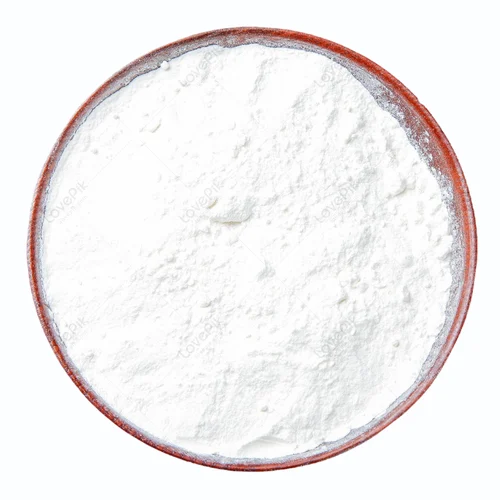

Businesses looking for Modified Starch in Tanzania usually need more than a basic starch ingredient. They need a material that performs consistently in processing, supports the required texture or binding characteristics, and fits the technical needs of their industry. Modified starch is used across food processing, paper manufacturing, textiles, adhesives, and several industrial applications because its functional properties can be adjusted for specific processing conditions.
For Tanzanian buyers, choosing the right grade depends on the application, processing method, required performance, packaging, and supply consistency. SAPL helps buyers evaluate modified starch according to their intended use instead of selecting a product only by price or general grade description.
Modified starch is starch that has been physically, enzymatically, or chemically treated to alter selected functional properties. The modification can improve characteristics such as stability, viscosity control, binding, film formation, water management, or resistance to particular processing conditions.
Unlike ordinary native starch, modified grades are developed for more controlled performance. The appropriate type depends on whether the buyer requires thickening, binding, suspension, coating, adhesion, or processing stability.
For companies comparing Top Modified Starch in Tanzania, product suitability should therefore be considered alongside purity, consistency, application requirements, and technical documentation.
The performance of modified starch depends on how its structure interacts with water, heat, shear, and other ingredients or materials within a process. When dispersed or heated under suitable conditions, starch can contribute to viscosity, structure, binding, or film formation.
Different modifications produce different functional behavior. Some grades are selected for improved stability during heating, while others are better suited to applications where controlled viscosity or adhesion is important.
This makes application-specific selection essential. A starch suitable for food processing may not provide the desired characteristics for paper coating, textile finishing, or industrial adhesive production.
Companies searching for the Best Modified Starch in Tanzania should therefore first identify their process conditions and performance requirements rather than treating all modified starch products as interchangeable.
Before selecting a grade, Tanzanian industrial buyers should consider several technical factors:
A reliable Modified Starch Supplier in Tanzania should be able to discuss these requirements before recommending a suitable material.
The demand for modified starch comes from multiple industries because the material can perform different functional roles.
Food processing is one important area, where modified starch may be used to provide texture, viscosity, stability, or binding properties in selected formulations.
Paper manufacturing can use starch-based materials in processes involving surface treatment, coating, or bonding. The appropriate grade depends on the paper process and the desired functional characteristics.
Textile processing may use starch derivatives where film formation, sizing, or fabric-processing performance is required.
Adhesives and industrial formulations can also incorporate modified starch because of its binding and film-forming characteristics.
For manufacturers evaluating Industrial Modified Starch in Tanzania, application-specific technical support can help reduce the risk of selecting a grade that does not match the production process.
When businesses plan to Buy Modified Starch in Tanzania, they should compare suppliers based on more than the quoted rate. Product consistency, technical suitability, packaging, order quantities, documentation, and delivery planning can all influence the actual value of a purchase.
The Modified Starch Price in Tanzania may vary according to grade, specification, order volume, packaging, sourcing conditions, and logistics. Therefore, a low initial quotation does not automatically represent the lowest overall procurement cost.
Buyers searching for Modified Starch for Sale in Tanzania should request clear product specifications and confirm whether the proposed grade matches their intended application. Working with an experienced Modified Starch Manufacturer or Modified Starch Exporter can also make technical discussions and repeat procurement easier.
SAPL focuses on helping B2B buyers assess modified starch according to their application requirements, rather than relying on generic product descriptions. This approach is particularly useful for manufacturers that need repeatable raw-material performance.
Selecting the right Modified Starch Supplier is important when the material forms part of a recurring manufacturing process. Buyers generally benefit from clear product information, application-oriented communication, consistent supply planning, and professional handling of technical requirements.
SAPL understands that different industries can require different starch characteristics. Instead of presenting modified starch as a one-size-fits-all material, the company can help buyers identify the relevant grade based on their process and intended end use.
For businesses evaluating a Modified Starch Manufacturer in Tanzania or Modified Starch Exporter in Tanzania, the key consideration should be whether the supplier can support dependable procurement with suitable product information and professional B2B communication.
Modified starch can be used for thickening, binding, stabilization, film formation, coating, sizing, and other functional purposes depending on its modification and application.
Start with the application, processing temperature, mixing conditions, required viscosity or binding behavior, and final product requirements. The supplier can then recommend a suitable grade.
No. It is also used in industries such as paper, textiles, adhesives, and other industrial formulations.
Grade, specification, order quantity, packaging, sourcing conditions, and transportation requirements can all influence the final procurement cost.
Yes. Specific modified starch grades can be selected for industrial processes according to the required functional characteristics.
Buyers should request product specifications, application information, packaging details, quality documentation, and commercial terms relevant to their procurement requirements.
Different modified starches can behave differently under heat, shear, hydration, and formulation conditions. Selecting according to the process helps achieve more predictable performance.
Tags : Modified Starch in Morocco, Top Modified Starch in Morocco, Best Modified Starch in Morocco, Modified Starch Supplier in Morocco, Modified Starch Manufacturer in Morocco, Modified Starch Exporter in Morocco, Modified Starch Supplier, Modified Starch Manufacturer, Modified Starch Exporter, Buy Modified Starch in Morocco, Modified Starch Price in Morocco, Modified Starch for Sale in Morocco, Industrial Modified Starch in Morocco, Modified Starch in Casablanca, Modified Starch in Tangier, Modified Starch in Rabat, Modified Starch in Fes, Modified Starch in Agadir, Modified Starch in Marrakech, Modified Starch in Kenitra.
© 2026 SAPL. All Rights Reserved.

+91-76229 25258
sales@starkestarch.com